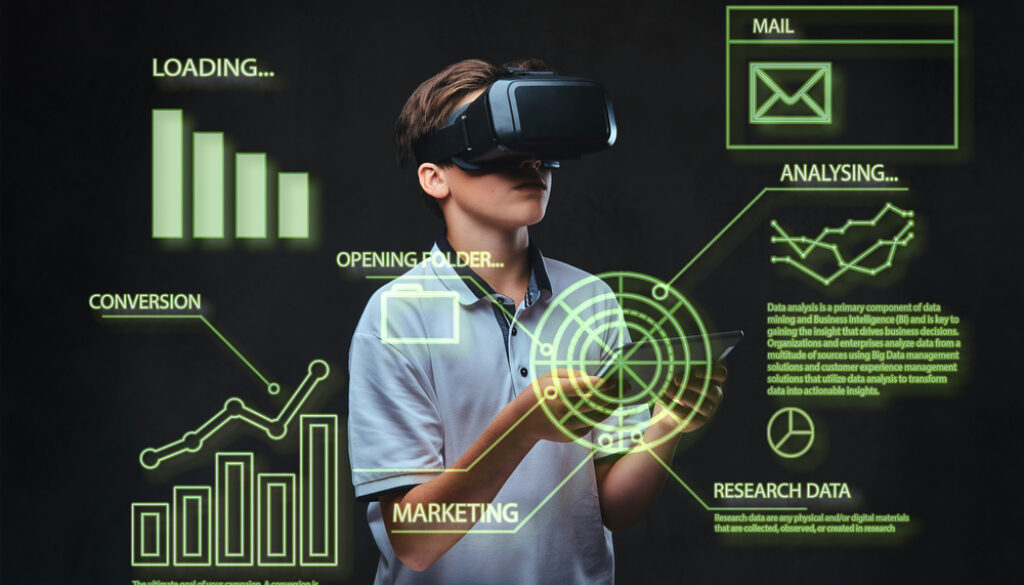
Artificial Intelligence (AI) is no longer a futuristic concept it has become the backbone of modern digital marketing. In 2026, businesses are leveraging AI to automate processes, enhance customer experiences, and drive better results with less effort. From personalized content to predictive analytics, AI is revolutionizing how brands connect with their audiences.
In this article, we’ll explore how AI is transforming digital marketing in 2026 and why businesses must adapt to stay competitive.
The Rise of AI in Digital Marketing
AI has rapidly evolved over the past few years, and its integration into marketing strategies has become essential. Marketers are now using AI tools to analyze vast amounts of data, understand customer behavior, and make data-driven decisions in real time.
In 2026, AI is not just an advantage it’s a necessity. Businesses that fail to adopt AI-driven strategies risk falling behind their competitors.
Hyper-Personalization at Scale
One of the most significant ways AI is transforming digital marketing is through hyper-personalization. Consumers today expect tailored experiences, and AI makes it possible to deliver exactly that.
AI analyzes user behavior, preferences, and past interactions to create personalized:
- Product recommendations
- Email campaigns
- Website experiences
- Advertisements
This level of personalization increases engagement, improves customer satisfaction, and ultimately boosts conversions.
AI-Powered Content Creation
Content remains a key pillar of digital marketing, but AI has changed how it’s created and optimized. In 2026, marketers are using AI tools to generate high-quality content quickly and efficiently.
AI helps with:
- Blog writing and content ideas
- SEO optimization
- Social media captions
- Video scripting
While human creativity is still essential, AI speeds up the process and ensures content is aligned with current trends and search intent.
Smarter SEO Strategies
Search Engine Optimization (SEO) has become more sophisticated with AI. Search engines now use AI algorithms to understand user intent better than ever before.
AI tools help marketers:
- Identify high-performing keywords
- Analyze competitors
- Optimize on-page SEO
- Predict search trends
Voice search and conversational queries are also on the rise, making it crucial for businesses to adapt their SEO strategies accordingly.
Predictive Analytics and Data Insights
AI enables marketers to go beyond traditional analytics by predicting future trends and customer behavior. This is known as predictive analytics.
With AI, businesses can:
- Forecast customer needs
- Identify potential leads
- Optimize marketing campaigns
- Reduce customer churn
These insights allow companies to make proactive decisions rather than reactive ones, giving them a significant competitive edge.
AI Chatbots and Customer Engagement
Customer interaction has been transformed by AI-powered chatbots. In 2026, chatbots are more intelligent, conversational, and capable of handling complex queries.
Benefits of AI chatbots include:
- 24/7 customer support
- Instant responses
- Improved user experience
- Increased conversion rates
Chatbots not only save time but also enhance customer satisfaction by providing quick and accurate solutions.
Automated Advertising and Campaign Optimization
AI has revolutionized online advertising by automating campaign management and optimization. Platforms now use AI to analyze performance and adjust campaigns in real time.
AI-driven advertising allows marketers to:
- Target the right audience
- Optimize ad spend
- Improve ROI
- Test multiple ad variations
Programmatic advertising, powered by AI, ensures that ads reach the most relevant users at the right time.
AI in E-commerce Marketing
E-commerce businesses are benefiting immensely from AI-driven marketing strategies. From personalized shopping experiences to automated customer journeys, AI is enhancing every aspect of online retail.
Key applications include:
- Product recommendations
- Dynamic pricing
- Inventory management
- Customer behavior tracking
These capabilities help businesses increase sales and improve customer retention.
Ethical Considerations in AI Marketing
While AI offers numerous benefits, it also raises ethical concerns. Issues such as data privacy, transparency, and algorithm bias must be addressed.
In 2026, businesses are expected to:
- Use data responsibly
- Be transparent about AI usage
- Ensure fairness in algorithms
Building trust with customers is essential for long-term success in AI-driven marketing.
The Future of AI in Digital Marketing
The future of digital marketing is deeply intertwined with AI. As technology continues to evolve, we can expect even more advanced capabilities, such as:
- Real-time personalization
- AI-generated video content
- Advanced voice search optimization
- Deeper customer insights
Businesses that embrace these innovations will be better positioned to succeed in an increasingly competitive digital landscape.
Conclusion
AI is transforming digital marketing in 2026 by making it smarter, faster, and more efficient. From personalization and content creation to predictive analytics and automation, AI is reshaping how businesses engage with their audiences.
To stay ahead, companies must adopt AI-driven strategies and continuously adapt to new trends. Those who leverage AI effectively will not only improve their marketing performance but also build stronger, more meaningful relationships with their customers.

Use AI for Social Media Marketing Growth Fast Now
April 2, 2026 @ 11:44 am
[…] intelligence (AI) plays a transformative role. By leveraging the latest AI News and exploring AI tools released this week, marketers can stay ahead of the competition and unlock powerful growth […]